


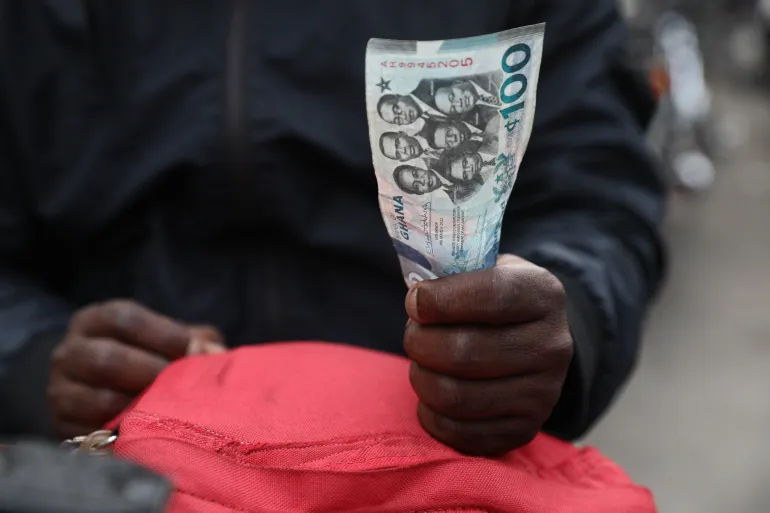
Ghana is a country that’s supposed to be doing well economically and democratically, but it has a big secret: a staggering economic inequality crisis. The government’s policies have made this crisis worse, leaving most Ghanaians poor, living in debts while a few rich people get all the benefits.
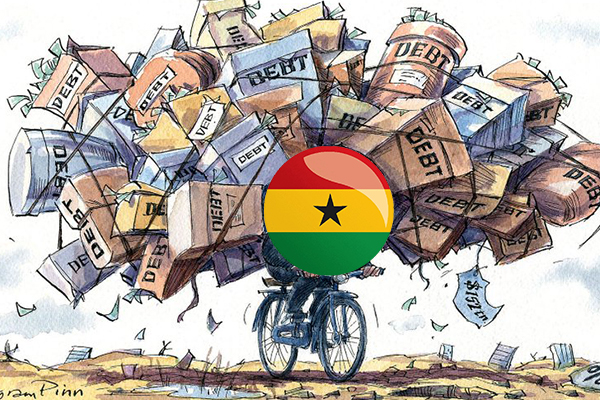
The numbers are shocking. Oxfam estimates that the richest 10% of Ghanaians have over 30% of the country’s money, while the poorest 10% have less than 2%. This isn’t just because of market forces; it’s because of what the government has done.
Economic Inequality Crisis
One big problem of Ghana’s economic inequality is the tax system. Ghana’s reliance on regressive taxes, such as the Value-Added Tax (VAT), disproportionately burdens the poor and middle class.
These taxes increase the cost of basic necessities, further entrenching poverty. Meanwhile, corporations and high-net-worth individuals exploit loopholes and enjoy favourable treatment.
Corruption is another big factor of economic inequality in the country. Government officials take money meant for public goods and services, denying Ghanaians quality education, healthcare, and infrastructure. The government in recent years under NPP and NDC haven’t done enough to stop corruption, so those in power prioritize their own gain over the public good.
“Politics in Ghana has become financially induced, and those without financial strength are constantly pushed out of active politics by the rich who easily pay their way out. Political appointments are reserved for members of the party that wins an election. Neutrals and experts are deliberately denied political appointments and constantly receive threats and verbal attacks from puppets of the ruling government.”(Baah-Boateng, 2013).
Work practices also make economic inequality worse. Workers in key sectors like mining and agriculture are exploited and paid very little. The government doesn’t enforce laws enough, allowing companies to prioritize profits over people.
“In Ghana, the salaries and wages of workers in both the private and public sector is nothing to write home about. The minimum wage for an average Ghanaian who works 9 hours on 5 consecutive days is GH₵14.88 pesewas which is insufficient for an individual concerning the high tax system, rising inflation, and cost of living in the country (National Tripartite Committee, 17 Nov 2022).”
Limited access to education and job opportunities is another barrier to equality. While the government says it’s investing in education, quality education is still hard to access. Job training programs are scarce and often don’t equip people with the skills they need.
“According to William (2013), “Estimates from the 2010 Population and Housing Census indicate that 14 per cent of the country’s working age population was inactive outside the school system while 633,994 people representing 5.8 per cent of the labor force were unemployed”.
To fix Ghana’s economic inequality crisis, the government must take bold action:
- Implement progressive taxation and increase transparency
- Enact and enforce anti-corruption measures
- Reform labour laws to protect workers’ rights
- Invest in quality education and job training programs
“Inequality is the outcome of differences in material and economic possession among groups, races, regions, or sex that for years have been subjected to marginalization, discrimination, and prejudices. To achieve equality of opportunities, policies and programs of governments should be aimed at compensating persons confronting detrimental conditions (United Nations, 2015).”
To sum it up, Ghana’s economic growth is meaningless if it benefits only a select few. The government must prioritize inclusive growth, addressing the systemic issues driving inequality. Only then can Ghana unlock its full potential and ensure a brighter future for all its citizens.
