


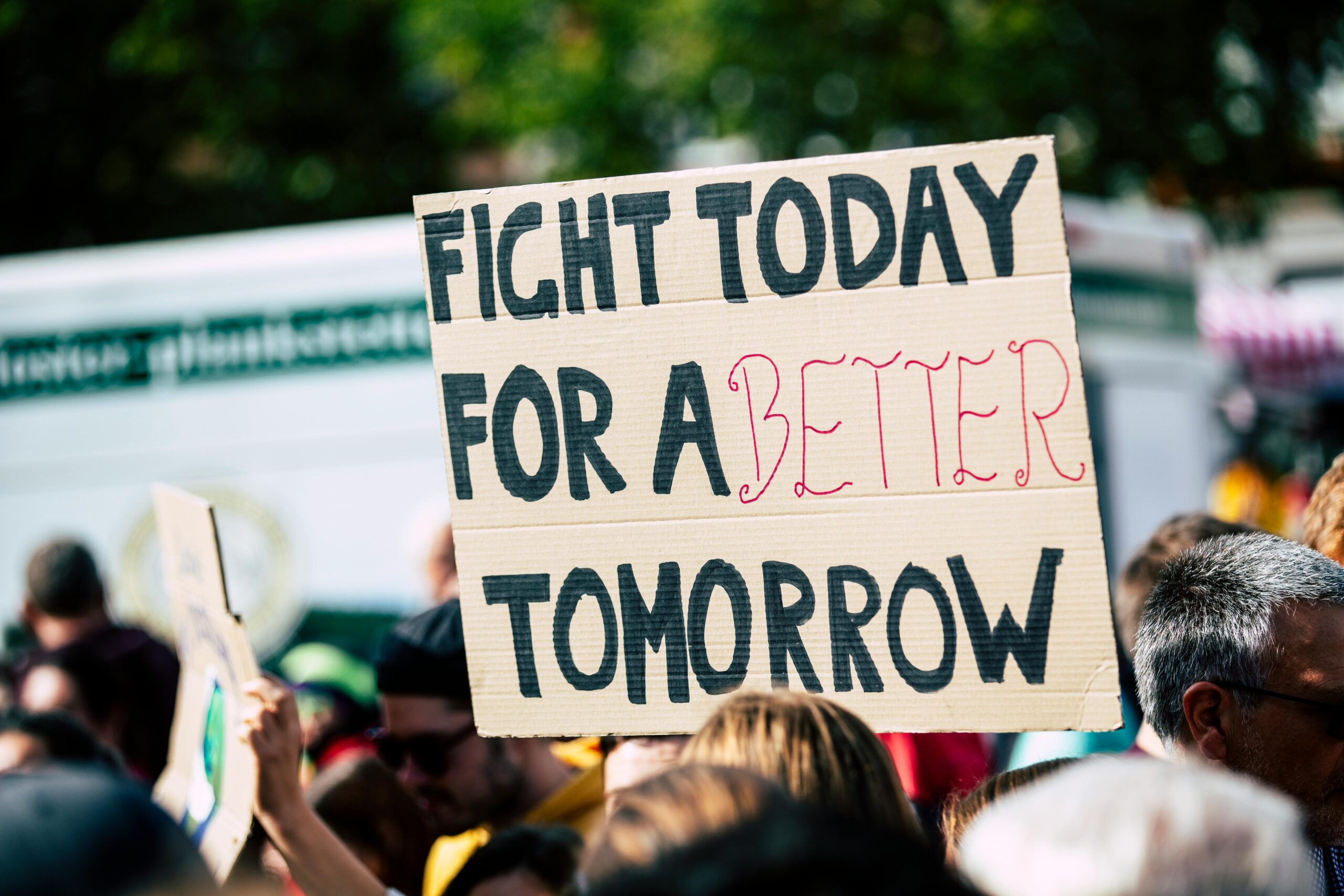
Indonesian legislators have canceled plans to ratify controversial revisions to election laws after massive protests erupted in front of the parliament building.
The protests were sparked by a parliamentary move to override a Constitutional Court ruling, which had an age limit that disqualified President Joko Widodo’s youngest son, Kaesang Pangarep, from running in the upcoming regional elections.
Table of Contents
Why the Revisions Sparked Outrage
The proposed revisions to the election laws were seen by many Indonesians as a blatant attempt to manipulate the democratic process in favor of the ruling elite. The revisions would have reversed a Constitutional Court decision that maintained a minimum age requirement of 30 for regional candidates.
Kaesang Pangarep, the President’s youngest son is 29 years old so the move was widely perceived as an effort by President Widodo’s allies to ensure his son could still participate by tweaking the law to make the age limit apply at the time of inauguration rather than candidacy.
Adding fuel to the fire, the proposed changes came on the heels of growing public discontent over perceived nepotism within the Widodo administration as just months prior, Widodo’s eldest son, Gibran Rakabuming Raka, became Indonesia’s youngest vice president, a development that intensified accusations of political dynasticism.
The combination of these factors led to a surge in public anger, with many Indonesians feeling that their democratic system was being manipulated to extend the influence of a single political family.
The Escalation of Protests
The protests quickly escalated into one of the most significant displays of public dissent in recent years. Thousands of demonstrators gathered outside the parliament building, demanding that lawmakers respect the Constitutional Court’s ruling and protect the integrity of Indonesia’s democratic process.
The situation turned violent when protesters tore down sections of the fence surrounding the parliament and began throwing rocks at the police. In response, Indonesian police used tear gas and water cannons to disperse the crowd, resulting in chaotic scenes as protesters set fires, burned tires, and occupied roads.
Protests were not limited to Jakarta; reports of similar demonstrations came from cities across Indonesia, including Yogyakarta, Makassar, Bandung, and Semarang.
Indonesia Lawmakers Respond to Public Pressure
Faced with intense public pressure and the potential for further unrest, Indonesian legislators ultimately decided to back down. On Thursday, 22nd August 2024, parliamentarians announced that the planned ratification of the election law changes had been postponed due to a lack of quorum.
While no new date has been set for a vote, the postponement is widely seen as a victory for the protesters and a sign that the government is feeling the weight of public opinion.
In a bid to calm the situation, President Widodo’s office released a statement urging the public to avoid spreading misinformation or engaging in violence. However, the unrest has already highlighted the growing disillusionment with Widodo’s administration and its attempts to retain political power as his presidency nears its end.

Timeline of Key Events Leading to the Protests
Monday 19th: President Jokowi reshuffles his cabinet
The President appointed ministers closely tied to Prabowo, his likely successor. Additionally, a coalition of government-aligned parties united behind a single candidate for the governor of Jakarta, effectively ending the re-election chances of Anies Baswedan, a prominent government critic.
Tuesday 20th: The Constitutional Court issues two significant rulings.
First: It lowered the threshold for parties to nominate candidates in regional elections, which allowed Anies Baswedan to run.
Second: The court upheld the minimum age requirement of 30 years, preventing Jokowi’s youngest son, Kaesang Pangarep, from participating in the upcoming November regional elections.
Wednesday 21st: The Golkar party appoints a new chair
Indonesia’s second-largest party, The Golkar elected a key Jokowi ally as its new chair following the sudden resignation of the previous leader. This move was seen as a way for Jokowi to maintain influence after his presidency.
On the same day, a parliamentary body proposed changes to the election rules to override the Constitutional Court’s decisions, triggering a rare power struggle between parliament and the judiciary. This led to a surge of online criticism and calls for public protests.
The Bigger Picture
The abandonment of these election law revisions is a significant moment in Indonesia’s political history, demonstrating the power of public protest in holding the government accountable. However, it also raises important questions about the future of Indonesian democracy. As President Widodo steps down after completing his maximum two terms, the actions of his allies and the potential for continued attempts to consolidate power will likely keep the country’s political climate tense.
For now, the message from the Indonesian people is clear: any attempts to undermine democracy will be met with fierce resistance.
