

Navigating The Complex Landscape Of Africa Politics: Challenges, Opportunities, And The Rise Of A New Generation

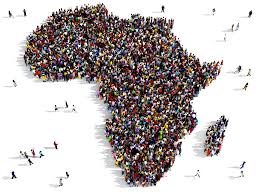
Africa politics is at a pivotal moment, characterized by a complex interplay of progress and regression. As the continent continues to confront with the enduring legacies of colonialism, corruption, and conflict, a new generation of leaders and citizens is emerging to shape its future.
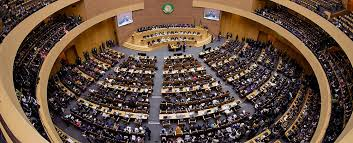
The state of Africa politics is multifaceted, with democratic gains being made in some countries, while others struggle with authoritarianism, political repression, and institutional fragility.
Countries like Ghana, Rwanda, and Botswana boast stable governments, characterized by robust institutions, rule of law, and respect for human rights.
In contrast, others, such as Nigeria and South Africa, have witnessed peaceful transfers of power, demonstrating Africa’s capacity for self-governance and its desire for accountability in Africa politics.
These successes underscore the continent’s potential for democratic consolidation and its aspiration for inclusive governance.
Challenges In Africa Politics
However, challenges persist in Africa politics. Authoritarianism still holds sway in nations like Egypt, Cameroon, and the Democratic Republic of Congo, where political repression, voter suppression, and human rights abuses mar the political landscape.
The scourge of corruption, often fueled by foreign interests, undermines trust in institutions, hinders progress, and perpetuates inequality in politics.
Yet, amidst these contradictions, Africa’s youth are driving change in Africa politics. From the streets of Sudan to the townships of South Africa, young people are demanding better governance, economic opportunities, and social justice.
Their activism, often fueled by social media, is redefining the narrative of politics in Africa, pushing for inclusive governance, and holding leaders accountable.
To harness this momentum, African leaders must prioritize inclusive governance, economic empowerment, and regional cooperation in .
The African Union‘s Agenda 2063 offers a blueprint for collective progress, but implementation is key to success on politics in Africa. This requires strong institutions, effective leadership, and a commitment to democratic values.
As Africa navigates this political crossroads, the international community must support democratic development, not dictate it, in politics.
Partnerships should prioritize capacity-building, education, and entrepreneurship, rather than perpetuating paternalistic aid models that hinder progress in Africa politics. By doing so, Africa can unlock its full potential and navigate the complex landscape of Africa politics with confidence and resilience.
Watch video here:
