



The Ghanaian Cedi has faced significant depreciation in recent years, causing widespread concern among businesses and consumers alike.
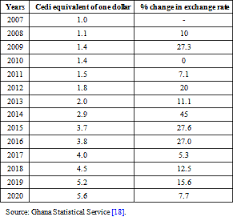
As the value of the Cedi continues to decline against major foreign currencies, particularly the US dollar, the impact on the Ghanaian economy is becoming increasingly evident.
This editorial explores how the Cedi’s depreciation is affecting businesses across the country and what steps can be taken to mitigate its effects.
The Current State Of The Cedi
The Ghanaian Cedi has experienced a steady decline in value, with periods of sharp depreciation.
As of mid-2024, the Cedi has lost a considerable percentage of its value against the US dollar, contributing to rising costs of imports, increased inflation, and economic uncertainty. The volatility of the Cedi has made it difficult for businesses to plan and operate effectively.
Impact on Import-Dependent Businesses
A significant portion of Ghana’s economy relies on imports, from raw materials to finished goods. As the currency weakens, the cost of importing goods increases, leading to higher prices for consumers.
For businesses that depend heavily on imported inputs, this translates to reduced profit margins and the need to pass on costs to consumers, who are already feeling the pinch of rising inflation.
Challenges for Local Manufacturers
Local manufacturers, while somewhat insulated from the direct impact of import costs, are not immune to the effects of Cedi depreciation. Many rely on imported machinery, spare parts, and raw materials, all of which become more expensive as the Cedi falls.
Additionally, the higher cost of doing business can lead to layoffs, reduced production capacity, and in some cases, the closure of businesses that can no longer remain profitable.
Effect on Small and Medium Enterprises (SMEs)
Small and medium enterprises (SMEs) are particularly vulnerable to the effects of currency depreciation. With limited access to foreign exchange and credit, SMEs often struggle to absorb the increased costs associated with a weaker currency.
This can lead to reduced competitiveness, loss of market share, and in extreme cases, business failure. SMEs are a crucial part of Ghana’s economy, and their struggles have a ripple effect on employment and economic growth.
Rising Inflation and Consumer Spending
The depreciation of the Cedi has also contributed to rising inflation, which erodes purchasing power and dampens consumer spending. As prices for goods and services increase, consumers are forced to cut back on non-essential purchases, leading to reduced sales for businesses.
This decrease in consumer confidence can have a long-term negative impact on the overall economy.
Government Response and Policy Measures
The Ghanaian government and the Bank of Ghana have implemented various measures to stabilize the Cedi, including tightening monetary policy, increasing interest rates, and boosting foreign exchange reserves.
However, these efforts have had limited success in curbing the Cedi’s depreciation. A more comprehensive approach, including boosting local production, reducing dependency on imports, and encouraging foreign investment, is needed to address the underlying issues.
The Way Forward
To mitigate the impact of Cedi depreciation on businesses, there needs to be a concerted effort to diversify the economy, promote local industries, and reduce import dependency.
Encouraging entrepreneurship, supporting SMEs, and creating a favorable business environment will be crucial in helping businesses weather the challenges posed by currency fluctuations. Additionally, businesses must adopt strategies to hedge against currency risks and improve efficiency to remain competitive.
Lastly, The depreciation of the Ghanaian Cedi presents significant challenges for businesses across the country.
While the situation is complex and influenced by both domestic and global factors, addressing the root causes of Cedi depreciation and implementing effective economic policies will be essential in stabilizing the currency and supporting the growth of Ghanaian businesses.
As the nation navigates these challenges, it is imperative for businesses, government, and stakeholders to work together to build a more resilient and sustainable economy.
Watch video here:
