


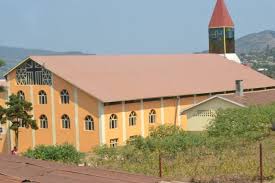
The shocking news of 8000 churches closed in Rwanda has sparked widespread concern about the government’s approach to religious regulation.

The Rwandan Governance Board’s decision to shut down nearly 8000 churches across the country after a two-week inspection process has raised questions about the motivations behind this drastic action.
The inspection found that many churches were operating without necessary permits, failing to meet safety and hygiene standards, and lacking qualified leadership. In response, the Governance Board took the decision to close the non-compliant churches, citing the need to protect citizens and maintain public order.
While the government’s intention to regulate faith-based organizations may be well-meaning, the blanket shutdown of churches is a heavy-handed approach that risks undermining the very fabric of Rwandan society.
8000 Churches Closed In Rwanda
The move to close 8000 churches in Rwanda has left these communities without access to spiritual guidance and support, and the requirement for pastors to hold theology degrees from accredited institutions may be seen as an attempt to control the narrative and stifle dissenting voices.
The Rwandan government must be cautious not to conflate religious regulation with repression, and instead strike a balance between regulation and religious freedom. The President, Paul Kagame, must take a step back and reassess the government’s approach to religious regulation.
The 8000 churches closed in Rwanda has sent a chilling message to the faith community and raises concerns about the government’s commitment to religious freedom.
President Kagame must recognize that the heavy-handed approach to church closures has the potential to undermine the very fabric of Rwandan society. Instead, he should work with faith leaders to address concerns and find solutions that respect the rights of all citizens.
The future of Rwanda’s religious landscape depends on it.
Watch video here:
