


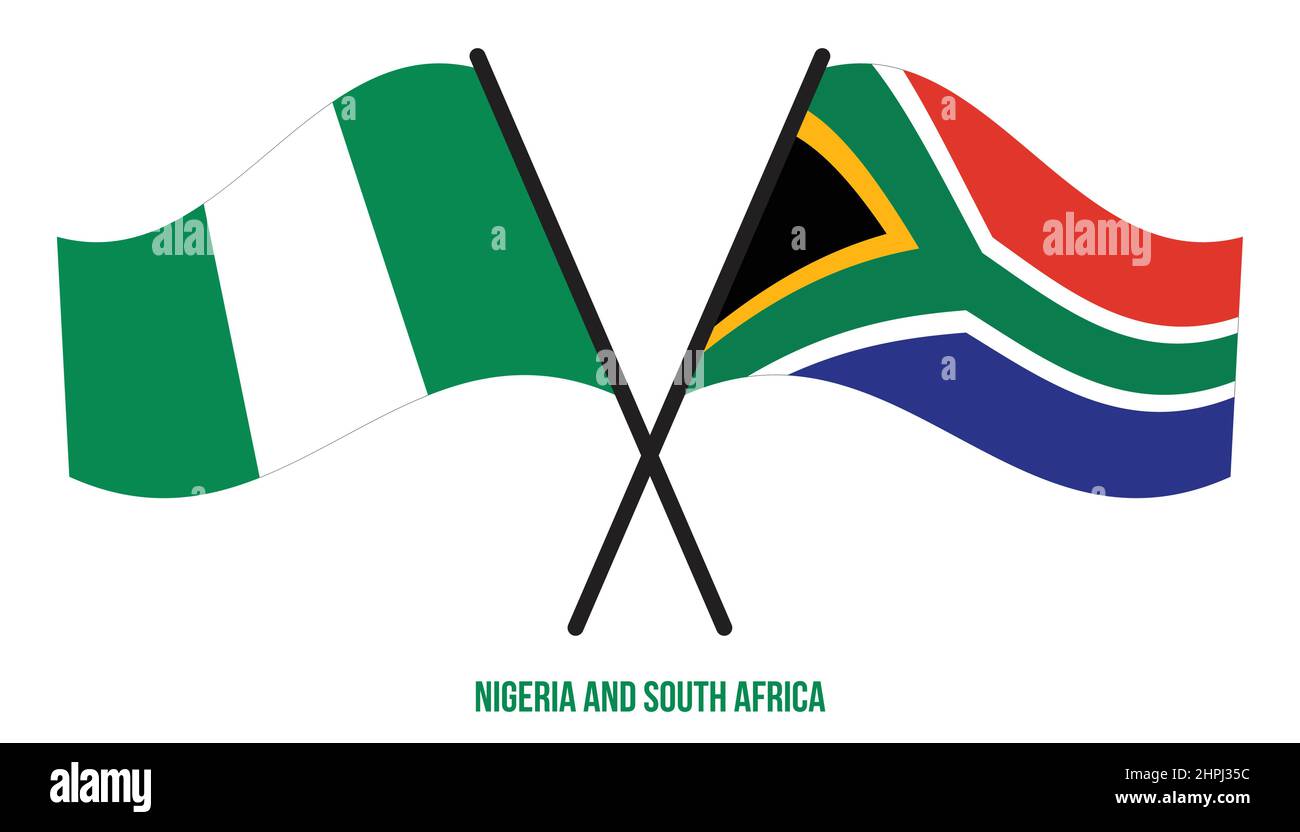
A few days ago, some South Africans kicked off a prank trend that’s been causing headaches for e-hailing drivers in both Nigeria and South Africa. It involved ordering Bolt rides across borders and then canceling them, leaving drivers high and dry. And yes, it’s just as chaotic as it sounds.
This comes after some online tension linked to the Soweto-born Chidimma Adetshina saga. Chidimma, who had to pull out of the Miss South Africa pageant, is now one of the top 25 women vying for the Miss Universe Nigeria crown.
This rivalry didn’t end there much like the battle for Ampiano and several other spats both countries have had, it has instead spilled over to the screens of Bolt drivers.
Some cheeky folks in South Africa thought it would be funny to order rides in Nigeria from the comfort of their homes in Soth Africa only to cancel them after making the Nigerian drivers wait around for ages. Given Nigeria’s ongoing fuel shortages, this wasn’t just a minor annoyance—it was a major headache for drivers wasting their time and gas on fake requests.
As you might guess, Nigerians weren’t too happy about it. Social media quickly lit up with angry posts calling out the pranksters and vowing to use their far superior numbers to best the South African pranksters
Nigerians responded by mobilizing on social media, some even organizing multiple fake bookings of Uber and Bolt rides in South Africa. They knew that while South Africans faced fees for canceling rides, Nigerians could cancel for free—a small but important detail that tipped the scales in this prank war.
However, as the prank war dragged on, some South Africans started to realize that their joke was causing real harm. Not only were they hurting drivers, but they were also causing economic ripples that could affect everyone. Some voices called for the pranks to stop, recognizing that it wasn’t worth the damage.
It went on to the point that business was interrupted in South Africa causing Bolt to step in. suspending several accounts and putting restrictions on inter-country ride requests.
While this prank war might have started as a petty feud, it’s easy to see the humor in the situation. Unlike past incidents between Nigeria and South Africa that were filled with anger and hatred, this one had a more light-hearted feel. It’s almost refreshing to see that even in the chaos of the digital age, people can still find silly, if slightly misguided, ways to prank each other.
But let’s hope this is a lesson learned—because while pranks might seem funny at the moment, they can have serious consequences when they involve real people’s livelihoods.
